
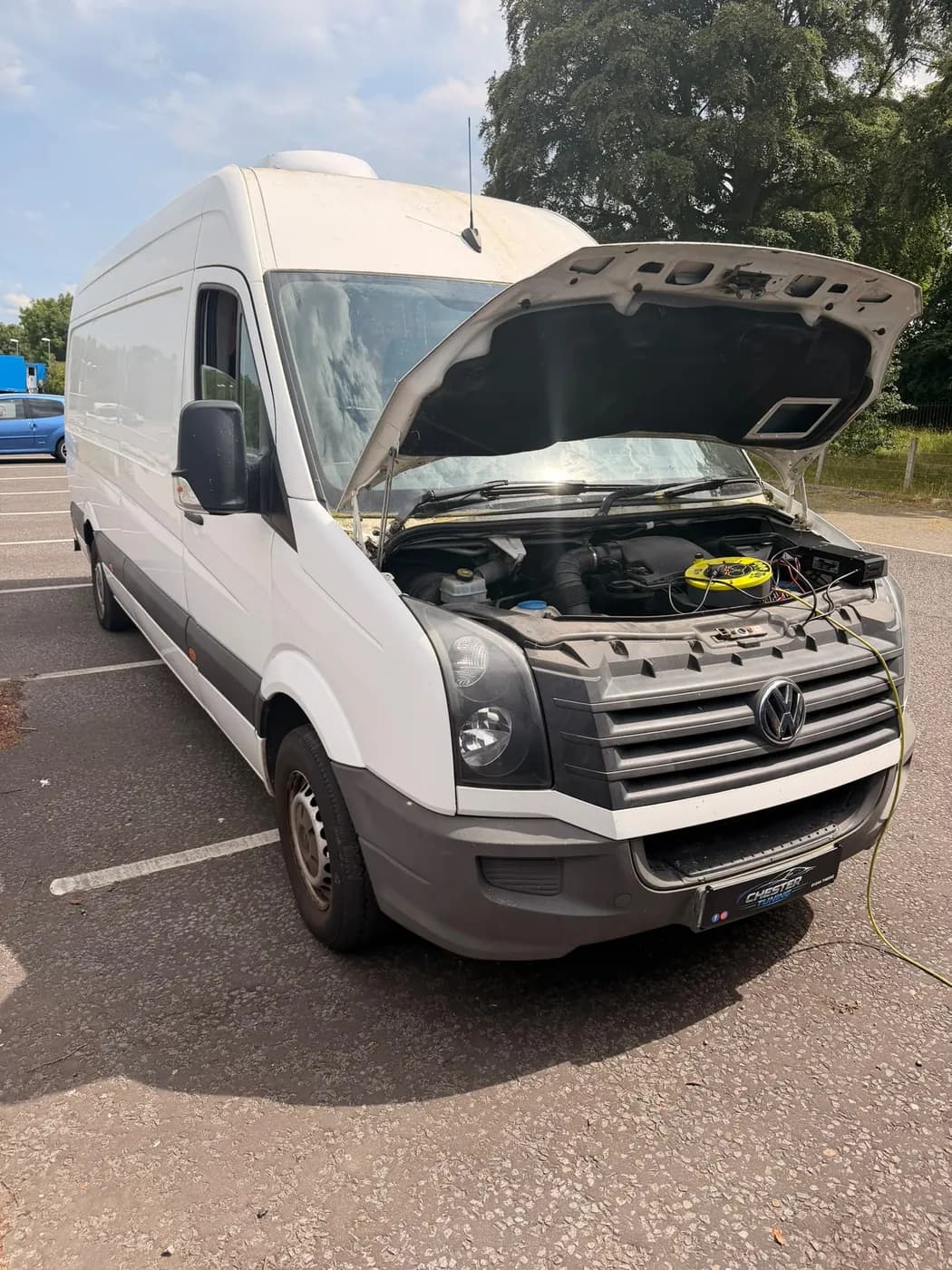
A remap changes how the engine is controlled, so in insurance terms it is a modification, the same as a different exhaust or bigger wheels. You have to declare it. Most insurers will carry on covering the car, usually for a bit more each year, some will ask a few questions first, and a small number will decline, in which case there are specialists who will not. What you cannot do is stay quiet and hope. A remap the insurer does not know about is a reason to refuse a claim, and that is the one outcome that makes the whole thing not worth it.
Why it counts as a modification
Insurers price a policy on the car as the factory built it. Power, torque, how it accelerates: all of that is on file for the standard model. A Stage 1 remap moves those numbers, and from the insurer's point of view the car on the road is no longer quite the car on the policy. Whether the change is modest or dramatic does not matter for the rule. A change is a change, and the policy wording will ask you to tell them about any modification from standard.
People sometimes hear that a remap is invisible, so nobody will ever know. Two problems with that. First, it is not invisible; we wrote a whole guide on how to tell if a car has been remapped, and an engineer investigating a claim can read the ECU the same way we can. Second, insurance works on what you told them at the time. If a fact you should have declared comes out later, the insurer can treat the policy as if it was never properly in force.
What happens when you ring them
It is a short call, and it goes better if you have the details in front of you. They will ask what has been done, who did it, and usually what the power is now compared with standard. We give every customer that on paper at handover for exactly this reason. Then one of three things happens.
- They note it and adjust the premium. This is the most common answer for a Stage 1 map on an ordinary car, and the increase is usually smaller than people fear.
- They ask for more detail or a short wait while an underwriter looks at it. Normal for higher-value cars and for anything beyond Stage 1.
- They say they do not cover modified vehicles. Some mainstream insurers simply do not, and it is not a comment on your car. You move to an insurer that does, and several specialise in it.
One practical tip: tell them before the remap is done if you can, not after. If the answer is no, you have lost nothing. If the answer is a large premium, you can decide whether the map is still worth it to you before any money changes hands. And if you are mid-policy, the change usually goes through as an amendment rather than a new policy.
The mistake that costs people
Not the remap. Not even the premium. The mistake is the gap between doing it and declaring it, because that is when you are driving a modified car on a policy that does not know about it. If something happens in that window, a bump in a car park or a bigger accident, the insurer investigates, finds the map, and has grounds to walk away. You would then be carrying the whole cost yourself, and in the worst case looking at the rules on driving without valid insurance. All of that for the sake of one phone call.
The remap is never the risk. The undeclared remap is.
Buying a car that has already been mapped
This one catches people out. If you buy a used car and it has been remapped by a previous owner, you still have to declare it, whether or not you knew. Worth checking before you insure it, and worth using as a negotiating point if the seller has not mentioned it. If you are not sure, we can read the ECU and tell you in a few minutes. If you would rather the car went back to standard, that is a job we can do too, provided the original file is available, which is one more reason to only ever use a tuner who keeps it.
Insurance and warranty are two different questions
People merge them, and they are not the same thing. Insurance is about what happens if the car is damaged or stolen. Warranty is about who pays if a part fails. A remap can affect a manufacturer warranty on engine and drivetrain parts, and a dealer can check for one. That is a separate conversation with its own trade-offs, and for a car still under a long factory warranty it is often the bigger consideration of the two. On a car out of warranty, insurance is the only one that matters, and it is the easier of the pair.
What we do about it
Every car that leaves us has the change written down: what was mapped, the before and after figures, the date. That is what your insurer asks for, and having it makes the call a two-minute job rather than a guessing game. We keep your original file so the car can go back to standard if a future insurer or buyer wants it that way. And if you are unsure whether your own insurer will play ball, ask us before you book; we have heard most of the answers by now and can tell you what to expect. If you want to talk it through, get in touch and we will give you a straight answer.