
Here is the uncomfortable truth about buying a used turbocharged car: a meaningful number of them have been remapped at some point, and you usually cannot tell from the driver's seat. The software does not leave a sticker. Sellers forget to mention it, or genuinely do not know, because they bought the car already mapped. The only way to know for certain is to read what is in the ECU, and everything short of that is educated guesswork. This guide covers both: the clues worth checking on the driveway, and the proper check we do on the bench.
Why it matters on a used car
A remap is not a red flag in itself. We map cars every week and, done properly, it is the best money most owners spend. The problem with an undisclosed remap on a used car is that you have no idea what is in there or who wrote it. A custom map from a reputable tuner, written for that car and road-tested, is a very different thing from a cheap generic file flashed in a car park five years ago. One of them respects the limits of the turbo, clutch and fuelling. The other is why we sometimes see cars with odd flat spots, smoke, or a clutch that is on its way out at half the mileage you would expect.
There is a paperwork side too. A remap is a modification, so the new owner needs to declare it to their insurer, and on a car still under manufacturer warranty it can affect where you stand on engine and gearbox claims. Worse, some cars are carrying more than a power map: we have seen used diesels arrive with the DPF software mapped out by a previous owner, which is an MOT failure and an emissions offence the new keeper inherits without knowing. That last one is exactly why this check is worth doing before money changes hands, not after.
The clues you can spot without any tools
- The advert history. Search the reg and see how the car was described last time it sold. "Stage 1", "mapped" or "180bhp" in an old advert has a habit of disappearing from the next one.
- Leftovers in the engine bay. Tuning boxes leave spliced wiring or extra connectors near the fuel rail or boost sensor. Tidy engines with one odd loom junction have a story to tell.
- The service history. Receipts from a tuning firm, a dyno printout in the folder, or a sticker inside the door shut or on the ECU cover.
- How it drives against the spec. If a 150 horsepower diesel pulls like something a class above, trust the suspicion. Standard cars feel standard.
- Ask the seller directly, in writing. "Has the car ever been remapped or tuned?" A straight question creates a record, and hesitation is its own answer.
Treat all of these as hints rather than proof. Plenty of remapped cars look showroom standard under the bonnet, because a software-only Stage 1 changes nothing you can see. The absence of clues means very little, which brings us to the check that actually settles it.
The only way to know for sure
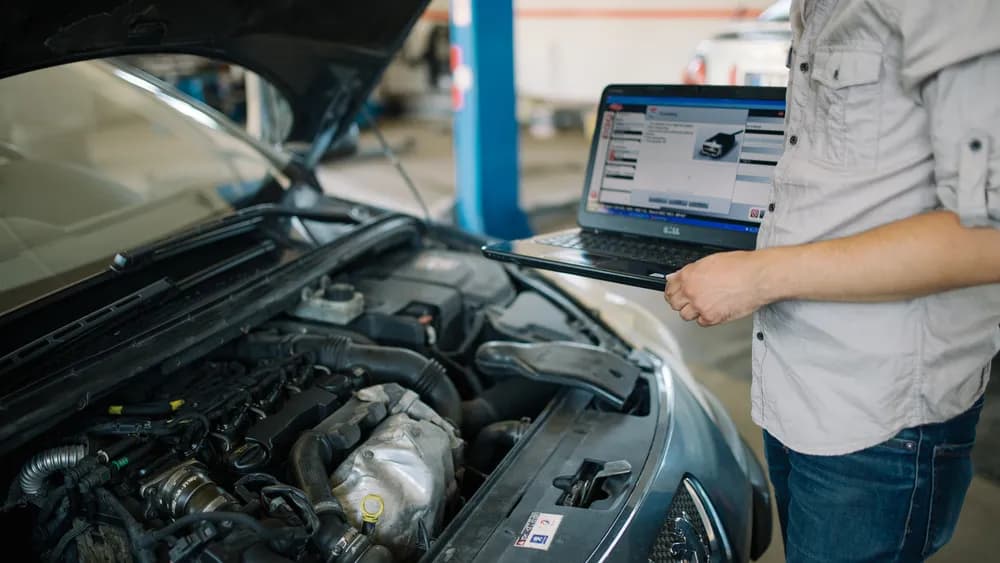
The ECU can be read and its contents compared against the manufacturer's original file for that exact car. Modified software shows up clearly to the right equipment: the file does not match stock, and often the tuning tool has left its fingerprints in the data. It is a quick, non-invasive job and it turns "probably standard" into a definite answer. We offer exactly this as part of our diagnostics service, and if you are weighing up a particular car it is a small price for knowing what you are actually buying. Before you even view the car, it is also worth running the reg through our free car check to see the MOT history and recorded spec, because ULEZ status, mileage gaps and advisory history tell you plenty about how the car has lived.
You have found a remap. Now what?
First, do not panic, and do not automatically walk away. Ask who mapped it and whether there is any paperwork; a car mapped by a known tuner with a receipt is arguably better sorted than an unknown quantity. If there is no history and you still want the car, you have clean options: we can put the ECU back to standard, so you start from a known baseline, and if you then want the performance done properly, a fresh custom Stage 1 written for that car on a healthy engine is the right way round. Either way, tell your insurer what the car is running. It is a phone call, the premium change is usually modest, and it is the difference between being covered and giving an insurer a reason not to pay out.
An undisclosed map is not always a bad car. It is an unknown car, and unknowns are what you negotiate on.
The bottom line
If you are buying used and the car matters to you, check the advert history, look for the physical clues, ask the seller in writing, and get the ECU read before you commit. It is one of the cheapest checks in the whole buying process and the only one that answers the question properly. Already bought the car and wondering what it is running? Send us the reg and we will read it, tell you exactly what is in there, and give you an honest steer on what, if anything, to do about it.